Why Law Firms Choose Professional Legal Transcription Services
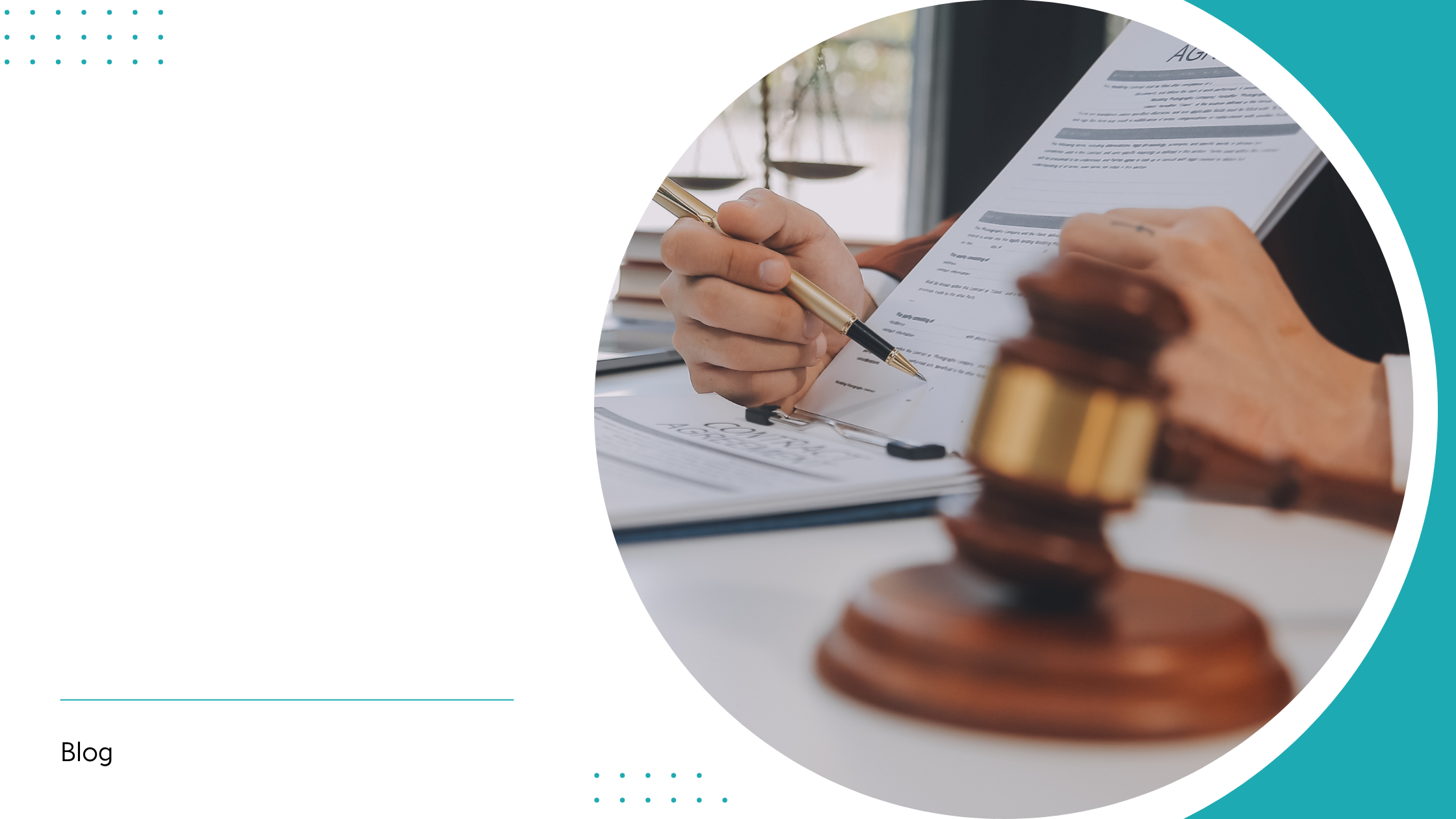
Legal work is built on facts, evidence, and precision. One misplaced word or misunderstood sentence can change the meaning of a witness statement, weaken an argument, or create unnecessary risk. In courtrooms and legal offices around the world, audio recordings are everywhere: depositions, hearings, interviews, arbitrations, client meetings, consultations, and investigative discussions. Yet these recordings are rarely usable in their raw form. This is where legal transcription services make a difference. Instead of relying on memory, handwritten notes, or rushed internal summaries, firms rely on exact, verified text that reflects every word spoken. When accuracy protects outcomes, professionals cannot afford guesswork.
Why Legal Professionals Cannot Rely on Basic Transcription Tools
Legal audio is different from an interview or podcast. It contains interruptions, emotion, technical vocabulary, procedural terms, references to past rulings, case numbers, and timestamps that carry weight. Automatic tools often misinterpret: * Similar sounding names * Specialized terms * Fast cross examination dialogue * Overlapping speakers * Regional accents * Low quality recordings When those errors appear in a deposition or witness transcript, hours are lost correcting them. Worse, an attorney could unknowingly rely on incorrect information. That means wasted time, frustrated teams, and a risk of presenting inaccurate information to a court. This is exactly why law firms prefer professional support.
What Makes Professional Legal Transcription Different
A professional partner does more than produce text. They understand legal transcription as a discipline where accuracy, context, and confidentiality work together. The difference begins with human experience. Legal transcription specialists do not simply type. They know how to: * Identify and separate speakers clearly * Understand context when two parties speak at the same time * Handle procedural vocabulary and legal terminology * Format documents for hearings, evidence review, or trial preparation * Preserve tone and emphasis when required * Protect every document with confidentiality safeguards * Work with secure file transfer systems designed to prevent unauthorized access Security is an essential part of legal transcription. Recordings often contain personal information, strategic statements, or sensitive evidence. A reliable provider never treats these files like casual business recordings. They use encryption, restricted access controls, NDAs, and carefully managed workflows so your legal materials remain protected at every stage. In a courtroom or legal matter, precision and privacy are not optional. They are the backbone of the process.
Court Transcription Services Provide Clarity and Structure
Court recordings are dense and often chaotic. Judges make quick remarks. Attorneys object. Witnesses pause, correct themselves, or get emotional. These details do not translate clearly through software. Court transcription services ensure that every spoken moment is captured and preserved in a format suitable for review, filing, or evidence. This benefits everyone involved: * Attorneys preparing arguments * Judges reviewing past hearings * Paralegals organizing discovery * Clients verifying what was said * Investigators cross-checking statements With accurate court transcripts, legal teams do not waste time revisiting audio files or asking colleagues to clarify details. They work from a reliable source of truth.
Legal Transcription Protects Against Misinterpretation
Text is a neutral medium. It does not rely on interpretation, memory, or emotion. When attorneys prepare for mediation or trial, they use transcripts because they eliminate uncertainty. Imagine trying to rely on handwritten notes after a 5 hour deposition. Every pause, hesitation, or correction could hold legal weight. Professional legal transcription services remove the noise and preserve what matters. This protects the attorney, the client, and the integrity of the process. Accuracy also reduces internal friction. Associates do not debate who said what. Partners do not need to re-listen to audio files. Junior team members do not waste time stitching together summaries. Everyone works from one complete, verified record.
Confidentiality is Not Negotiable
Legal information is sensitive. It often contains: * Personal medical details * Financial disclosures * Internal business conflicts * Intellectual property * Investigative statements A trustworthy transcription provider does not treat your files like general media content. They follow strict privacy and security standards, including encrypted transfers, restricted access, and non-disclosure assurances. That level of protection matters to firms handling high-stakes litigation, family matters, class action suits, or corporate negotiations. A reliable partner understands that privacy is part of the job.
Efficiency and Scalability for Modern Law Firms
Legal teams are under pressure. They handle fast-moving cases, demanding clients, and increasing workloads. Professional transcription allows them to scale. It becomes easier to: * Prepare briefs * Draft arguments * Support appeals * Collaborate across departments * Share clean transcripts with co-counsel or clients * Archive previous matters for future reference Instead of bottlenecks, firms gain momentum. A senior attorney can review a case in minutes. A junior associate can extract evidence lines instantly. A client can see exactly what was said without sifting through hours of audio.
Choosing the Right Partner for Legal Work
When selecting a provider for court transcription, do not look only at price. Consider: * Document formatting experience * Human quality checks * Turnaround options * Accuracy rates * Compliance with privacy standards * Familiarity with legal terminology * Ability to handle multi-speaker audio A legal partner should make your work easier, not add more steps.
When Every Word Matters, Choose Professionals
Legal outcomes depend on clarity. Spoken conversations are helpful, but written transcripts are actionable. They provide a foundation for research, negotiation, litigation, and resolution. That is why law firms around the world consistently choose professional transcription providers who understand their work, their vocabulary, and their responsibility to accuracy.
Ready to Work With Specialists You Can Trust?
Contact our team and tell us what you need. We will help you get started.
Frequently Asked Questions
Q 1. What are legal transcription services?
Legal transcription services convert audio recordings from legal proceedings into accurate, written text. This includes depositions, hearings, interviews, client meetings, and court proceedings, ensuring every word is captured clearly and correctly.
Q 2. Why do law firms use professional legal transcription services?
Law firms use professional legal transcription services to ensure accuracy, confidentiality, and proper formatting. Automated tools often miss legal terminology, speaker changes, and context, which can create risk in legal matters.
Q 3. What is court transcription and why is it important?
Court transcription is the process of converting courtroom audio into official written records. Accurate court transcription is critical for case preparation, appeals, evidence review, and maintaining a reliable legal record of proceedings.
Our blogs