Top Uses of Audio Transcription Services Across Industries
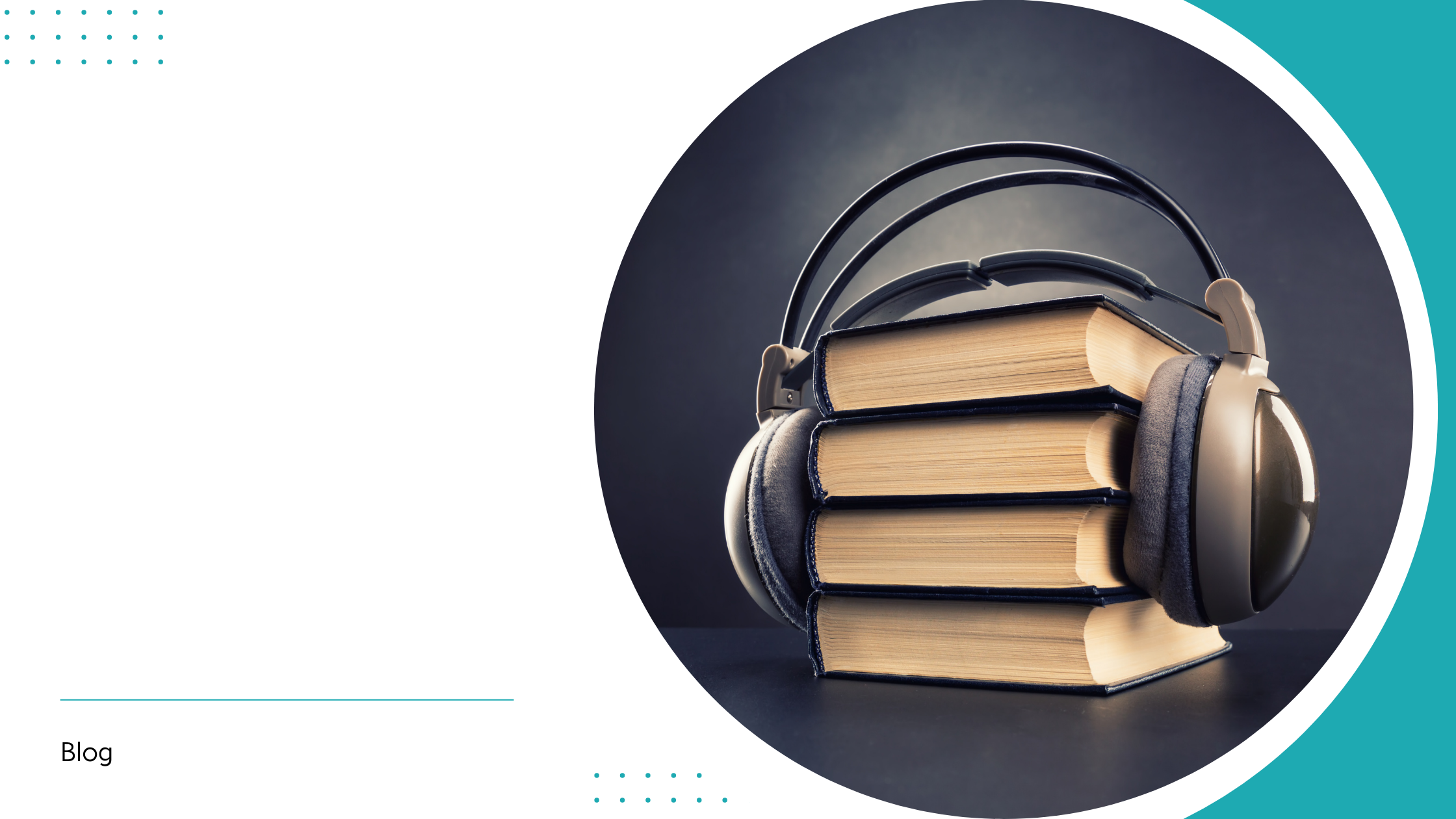
Audio recordings are everywhere. Meetings, interviews, webinars, calls, lectures, and discussions are recorded daily across industries. Recording is easy. Using those recordings effectively is not. When important information stays locked inside audio files, teams waste time replaying conversations, searching for details, and relying on memory.
This is why audio transcription services have become essential across industries. Converting spoken words into clear, accurate text turns recordings into usable business assets that support efficiency, compliance, and growth.
Why Audio Alone Is Not Enough
Listening takes time. Searching through audio is difficult. Sharing insights only from recordings often leads to misinterpretation. When multiple people rely on the same information, it is important for it to be consistent.
Text solves these problems. A transcript allows teams to scan, search, quote, store, and reuse information. It creates clarity where audio creates friction. That is the core reason organizations invest in professional audio transcription instead of relying on recordings alone.
Business Meetings and Internal Communication
One of the most common uses of transcription is internal communication. Businesses record meetings, strategy sessions, training calls, and town halls, but without transcripts, key decisions often get lost because running through the recording is a time consuming process.
Business transcription services help teams by:
- Capturing decisions and action items accurately
- Making discussions searchable and shareable
- Supporting employees who could not attend live meetings
- Reducing follow-up confusion
- Creating reliable records for audits or reviews
Instead of rewatching meetings, teams move faster by reading transcripts and acting on them.
Financial Transcription for Accuracy and Compliance
Finance is an industry where precision is non-negotiable. Investor calls, earnings discussions, advisory meetings, and internal reviews contain numbers, forecasts, and sensitive information.
Financial transcription services ensure that:
- Figures are recorded correctly
- Statements are documented clearly
- Conversations are preserved for compliance
- Reports and summaries can be created quickly
- Audits and reviews are supported with accurate records
Financial teams rely on transcripts to avoid errors that could lead to regulatory issues or loss of trust.
Transcription of Interviews for Research and Media
Interviews are widely used across journalism, research, marketing, and recruitment. Audio interviews capture nuance, but analyzing them without text is slow and inefficient.
Transcription of interviews allows professionals to:
- Review responses quickly
- Compare answers across participants
- Quote sources accurately
- Identify patterns and insights
- Archive discussions for future reference
Researchers use transcripts to analyze qualitative data, journalists rely on them for accurate reporting, and recruiters use them to assess candidate responses objectively.
Content Creation and Media Production
Podcasts, YouTube videos, webinars, and online courses generate large volumes of spoken content. Without transcription, much of this content remains underutilized.
Transcripts help creators:
- Improve search visibility
- Repurpose content into blogs and articles
- Create captions and summaries
- Make content accessible to wider audiences
- Build searchable content libraries
Professional transcription ensures that creative content is presented clearly and accurately across platforms.
Legal and Corporate Documentation
Many industries require reliable documentation of conversations. Internal investigations, compliance discussions, HR interviews, and policy reviews often depend on accurate records.
Professional transcription helps organizations:
- Maintain transparent records
- Reduce disputes caused by miscommunication
- Support internal reviews and decision making
- Preserve evidence and statements responsibly
Text records provide neutrality and clarity that audio alone cannot offer.
Education and Training
Educational institutions and corporate training teams record lectures, workshops, and learning sessions. Transcripts allow learners to revisit material, search for key topics, and study more effectively.
Transcription supports:
- Student accessibility
- Remote learning
- Knowledge retention
- Training documentation
- Course material creation
Learning becomes more flexible when content is available in both audio and text formats.
Healthcare and Professional Services
Healthcare providers, consultants, and service professionals often dictate notes or record consultations. Transcription turns spoken information into structured documentation that supports continuity and accuracy.
Transcripts help professionals:
- Maintain organized records
- Reduce administrative workload
- Support collaboration between teams
- Improve service quality
Accuracy and confidentiality are critical in these environments, making professional transcription a trusted solution.
Why Professional Audio Transcription Matters
While automatic tools exist, they often struggle with accents, terminology, multiple speakers, and context. Professional transcription services combine technology with human review to deliver transcripts that are accurate, clear, and ready to use.
Professionals understand language nuances. They identify speakers correctly, format documents appropriately, and ensure consistency throughout long recordings. This level of quality saves time and prevents costly errors.
Across industries, the goal is the same. Turn spoken information into something useful. Audio transcription services make this possible by transforming recordings into reliable text that supports decisions, collaboration, and growth. When accuracy and usability matter, professional transcription is not an extra. It is a necessity.
Ready to Get Started?
Contact our team and tell us what you need. We will help you get started.
Frequently Asked Questions (FAQs)
Q 1. What are audio transcription services and how do they work?
Audio transcription services convert spoken content from recordings into accurate, readable text. Professional audio transcription involves trained transcriptionists who listen to recordings, identify speakers, and deliver clear transcripts that can be searched, shared, and used for business, legal, or research purposes.
Q 2. Why should businesses use professional audio transcription instead of automated tools?
Professional audio transcription offers higher accuracy than automated tools, especially for accents, industry-specific terminology, and multi-speaker recordings. Business transcription services ensure context, formatting, and speaker identification are correct, reducing errors that can impact decisions, compliance, and communication.
Q 3. What industries benefit most from business transcription services?
Business transcription services are widely used across industries such as finance, legal, healthcare, education, media, and corporate enterprises. They support meeting documentation, internal communication, compliance records, training materials, and content creation across departments.
Q 4. How do financial transcription services support accuracy and compliance?
Financial transcription services create precise written records of investor calls, earnings discussions, and advisory meetings. Accurate transcripts help financial teams document statements, verify figures, support audits, and meet regulatory compliance requirements with confidence.
Q 5. Why is transcription of interviews important for research and media?
Transcription of interviews allows researchers, journalists, and recruiters to quickly review responses, compare insights, and quote sources accurately. Text transcripts save time, improve analysis, and ensure important details are not missed or misinterpreted.
Our blogs