Medical Transcription Services. Accuracy and Security Explained

Healthcare runs on information. Every diagnosis, consultation, and treatment decision depends on clear and complete patient records. Yet much of this information is spoken first. Doctors dictate notes. Specialists record observations. Care teams discuss next steps verbally.
When these conversations are not captured accurately, gaps appear. Those gaps slow care, create confusion, and increase compliance risk. This is why medical transcription services remain essential in modern healthcare.
Why accuracy matters in medical transcription
Medical documentation demands precision. Clinical language includes terminology, abbreviations, measurements, drug names, and patient history. Even small errors can change meaning. A misplaced decimal or incorrect dosage can lead to serious consequences.
Relying on rough notes or unreviewed automation increases risk. Automated tools struggle with accents, rapid dictation, background noise, and specialty specific terms. When audio is unclear, they infer. In healthcare, inference is unacceptable.
Professional medical transcription prioritizes accuracy. Trained transcriptionists understand clinical context. They recognize terminology, interpret corrections, and structure reports clearly. The result is documentation that reflects what was actually said, not what software assumed.
Risks of errors in clinical documentation
Errors in medical records affect more than internal workflows. They can impact patient safety, insurance claims, audits, and legal outcomes. Inconsistent or unclear documentation increases administrative burden and exposes providers to unnecessary risk.
Accurate transcription reduces these risks by producing reliable, standardized records that support decision making and accountability.
Why human reviewed transcription delivers higher accuracy
Technology improves speed, but human review ensures correctness. Skilled transcriptionists verify details, flag unclear audio, and ensure internal consistency across documents. This layer of judgment is what separates usable clinical records from unreliable text.
How medical transcription improves clinical workflows
Clinicians operate under constant time pressure. Typing notes during consultations reduces patient engagement. Listening to recordings later consumes valuable time.
Medical transcription removes this friction. Clinicians speak naturally, record their notes, and receive structured text ready for use within existing systems. This allows focus to remain on patient care rather than documentation.
Reducing documentation time for clinicians
Outsourced transcription shortens turnaround time for records, reduces after hours documentation, and helps clinicians maintain consistent workflows without sacrificing accuracy.
Types of medical documents supported
• Patient histories and progress notes
• Discharge summaries
• Referral letters
• Consultation reports
• Treatment plans
• Follow up documentation
Clear and complete records improve communication across care teams and support continuity of care.
Secure medical transcription services for healthcare providers
Medical data is sensitive. Patient records include personal identifiers, diagnoses, and treatment information. Mishandling this data creates compliance exposure and damages trust.
Security is not an added feature. It is a baseline requirement.
How patient data is protected during transcription
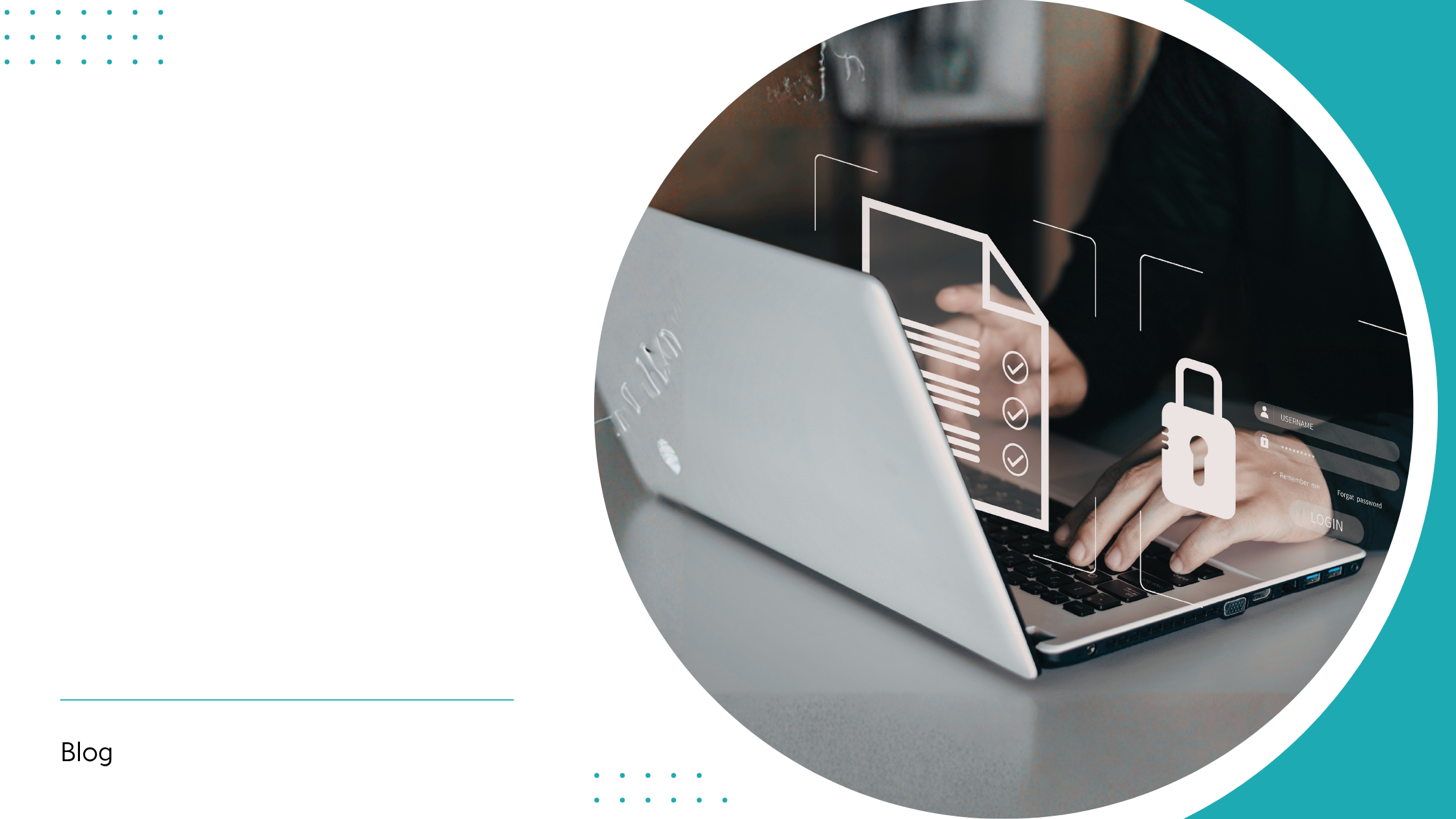
Professional transcription providers design security into every stage of their workflow. This typically includes:
• Encrypted file upload and transfer
• Restricted access for authorized personnel only
• Secure storage during processing
• Defined data retention and deletion policies
• Confidentiality agreements for all staff
These safeguards ensure patient information remains protected from intake through delivery.
Meeting healthcare privacy and compliance requirements
Secure transcription supports regulatory compliance, audits, and legal documentation. Well structured records reduce ambiguity and help healthcare organizations meet their reporting and governance obligations.
What confidential medical transcription services really mean
Confidential transcription goes beyond basic privacy claims. It implies responsibility, accountability, and discipline.
A confidential service ensures that files are used only for transcription, data is not shared or reused, access is monitored, and information remains protected even after delivery. Transparency around data handling is essential.
Healthcare providers require certainty. Professional transcription services provide that certainty through documented policies and controlled processes.
Why automated transcription alone is not sufficient in healthcare
AI based transcription tools can assist with drafts, but they lack clinical understanding. They misinterpret similar sounding terms, miss corrections, and fail to recognize contextual cues.
In medical documentation, these limitations create risk. A transcript that appears complete but contains subtle errors can be misleading. Human review addresses this gap by validating accuracy and context.
The most reliable transcription services use technology to support efficiency, not to replace judgment.
Who should use professional medical transcription services
• Hospitals and clinics
• Private practices
• Specialist consultations
• Diagnostic centers
• Telehealth providers
• Mental health professionals
• Allied health services
In every case, the objective is the same. Capture spoken medical information accurately and protect it securely.
How to choose the right medical transcription partner
Healthcare organizations should evaluate transcription providers based on:
• Medical domain expertise
• Proven accuracy standards
• Secure and confidential workflows
• Reliable turnaround times
• Mandatory human review processes
• Transparent privacy and data handling policies
The right partner reduces operational risk and improves documentation efficiency.
Medical Transcription Services. Frequently Asked Questions
Q 1. What are medical transcription services?
Medical transcription services convert dictated clinical audio into accurate, structured medical documents used for patient care, compliance, and record keeping.
Q 2. Why is accuracy critical in medical transcription?
Accuracy is critical because small errors in medical terminology, dosages, or measurements can affect patient safety, clinical decisions, and legal compliance.
Q 3. Are medical transcription services secure?
Professional services use encrypted file transfer, restricted access, secure storage, and strict confidentiality policies to protect patient data.
Q 4. What does confidential medical transcription mean?
It means audio and documents are used only for transcription, access is controlled, data is not shared, and information remains protected after delivery.
Q 5. Can AI replace medical transcriptionists?
No. AI can assist with drafts, but it lacks clinical context and judgment. Human review is required to ensure accurate and reliable medical records.
Q 6. Who uses medical transcription services?
Hospitals, clinics, private practices, diagnostic centers, telehealth providers, mental health professionals, and allied health services use medical transcription.
Q 7. How does medical transcription improve workflow?
It reduces documentation time, improves record clarity, supports team communication, and allows clinicians to focus more on patient care.
Q 8. What should I look for in a medical transcription provider?
Look for medical expertise, strong accuracy benchmarks, secure workflows, human review, dependable turnaround times, and transparent privacy policies.
Final thoughts
Medical transcription is not just speech to text. It is about accuracy, security, and responsibility. Reliable medical transcription services support better patient care, protect sensitive information, and help healthcare professionals work efficiently. When patient records matter, professional transcription remains essential.
Ready to get started
Contact our team and tell us what you need. We will guide you from there.
Our blogs